
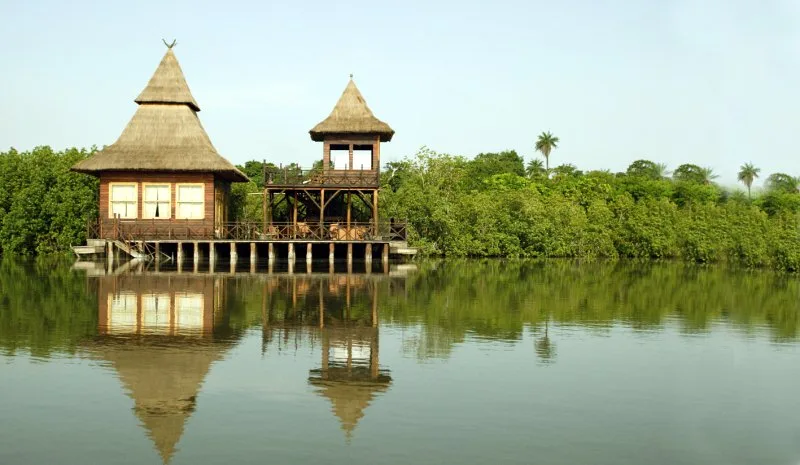
Choosing the best time to visit The Gambia is less about finding one perfect month and more about matching the season to the trip you actually want. A traveller planning long beach days in Kololi has different priorities from a birder heading into wetlands, a diaspora family visiting relatives upcountry, or a photographer who wants the country at its greenest.
The basic weather pattern is simple. The Government of The Gambia describes the country as having a tropical climate with two well-defined seasons: a rainy season from June to October and a dry season from November to May. Average annual rainfall is around 1,020 millimetres, although totals vary significantly from year to year and by location.
For most first-time leisure visitors, November through February is the easiest window. Rain is uncommon, humidity is generally lower than at the height of the wet season, and coastal temperatures are more comfortable for beach days and sightseeing. That also makes it the period when international tourism is most visible along the Atlantic coast.
But “best” changes once you look beyond the simplest answer. The rainy months bring greener scenery, dramatic skies and fewer conventional winter-sun visitors. March through May can be intensely hot, especially inland, but those months may suit travellers whose schedule is fixed or whose trip is primarily about family, business or events rather than outdoor touring all day.
The Gambia’s two main seasons
The dry season, roughly November to May, is the period most visitors associate with Gambian tourism. Days are generally sunny, roads are less affected by flooding, and the coastal resort areas operate at their most predictable pace. The nights and early mornings can feel surprisingly fresh in the coolest part of the season, especially to residents accustomed to hotter months.
The rainy season, roughly June to October, is warmer and more humid, with tropical downpours and thunderstorms. Rain does not necessarily mean continuous rain from morning to night. A day can move between sun, cloud, heavy rain and clear conditions. The practical issue is that a short, intense storm can flood low-lying streets, slow traffic or make unpaved roads difficult even after the rain itself has stopped.
UK travel advice, updated in 2026, specifically warns that heavy rainfall from June to October can cause localised flooding and disruption to roads and other infrastructure. Travellers going into rural areas during this period should build extra time into journeys and avoid assuming that a route shown on a map will be equally easy in August as it is in January.
November to February: the easiest all-round window
If someone asks for one recommendation without giving any other preferences, choose November, December, January or February.
These months combine dry weather with some of the most comfortable conditions on the coast. Beach trips, market visits, river excursions and day trips are easier to plan because rain is unlikely to interrupt the itinerary. Visitors from Europe also benefit from escaping winter at home, which is one reason this is traditionally the strongest international tourism season.
The trade-off is demand. Popular hotels, well-known restaurants, guides and excursions can be busier. Christmas and New Year travel can increase pressure on flights and accommodation. Travellers who know their dates should book the most important parts of the trip earlier rather than assuming everything will be cheaper after arrival.
January and February are especially attractive for people who dislike humidity. They are also good months for combining coast and inland travel because road conditions are generally more predictable than during the rains.
One date matters culturally every year: February 18, Independence Day. The holiday can bring ceremonies, concerts, community programmes and changes to normal business hours. Visitors who enjoy public celebrations may consider that a bonus. Anyone with appointments or tightly scheduled transport should simply plan around the holiday rather than being surprised when the rhythm of the day changes.
March to May: dry, hot and often underestimated
March, April and May remain in the dry season, but the heat becomes a much bigger factor. The government’s climate information notes that the harmattan, a hot, dry and dusty wind from the Sahara, can occur during these months and that temperatures in the interior can exceed 38C.
On the coast, Atlantic influence can make conditions feel more manageable than farther inland. That difference matters. A midday walk in Kololi and a midday road journey around the Central River or Upper River regions are not the same physical experience, even if a weather app shows similar sunshine icons.
Travellers in these months should plan strenuous outdoor activities for mornings or later afternoons, carry water and take sun protection seriously. Air conditioning becomes more important when choosing accommodation, but so does backup power. The Gambia can experience power shortages, and UK travel guidance currently advises visitors to prepare for outages with power banks, torches and basic contingency planning.
March through May can still be a useful travel period for people who prioritise flexible schedules and dry roads over cooler temperatures. Just do not mistake “dry season” for “cool season.”
June to October: green, humid and dramatic
The rainy season transforms the landscape. Areas that look dusty and pale late in the dry season can turn intensely green. Farms become active, vegetation thickens and cloud formations can make the sky more visually dramatic than during months of almost uninterrupted blue.
The attraction is obvious for photographers, returning Gambians who prefer the landscape in its green state, and travellers interested in agriculture or rural life. The practical challenges are equally real: higher humidity, mosquitoes, sudden rain, standing water and slower journeys after storms.
Rainfall does not fall evenly across the country or evenly through the season. The government’s disaster-risk policy notes that August is typically the rainiest month and that rainfall is generally higher in the southwest than in the northeast. Climate variability also means historical averages are a guide, not a promise for a specific week.
If travelling during these months, choose luggage and footwear that tolerate water. Keep electronics in waterproof pouches. A light rain shell is more useful than a heavy jacket in hot humid weather. Sandals can be practical, but closed shoes are valuable for muddy rural areas and places with standing water.
What each month generally feels like
January: Dry, sunny and among the most comfortable months for coast-based holidays. Strong choice for first-time visitors, beach stays and touring.
February: Similar to January, with the added possibility of Independence Day events around February 18. Book ahead if your trip overlaps major celebrations.
March: Still dry but getting hotter. Good road conditions remain a major advantage. Dust and harmattan effects can be noticeable.
April: Hot and dry, especially away from the coast. Plan outdoor activities around the coolest parts of the day.
May: Often one of the most demanding months for heat. The atmosphere can begin changing ahead of the rains, but travellers should not count on cooling showers.
June: Transition toward the rainy season. Storms become more likely and humidity increases. Landscapes start turning greener.
July: Wet-season conditions are established. Expect heavy showers, humid days and potential road disruption after storms.
August: Typically the wettest part of the year. Excellent for lush scenery, but give road trips generous time and flexibility.
September: Still rainy and green. Heavy downpours remain possible, although conditions vary. Mosquito protection and waterproof storage matter.
October: A transition month. Rain can continue, but the dry-season pattern begins returning. The countryside often remains green.
November: One of the best compromise months. The rains have normally ended, the landscape still holds some greenery and the main winter visitor season begins building.
December: Dry, sunny and popular, with holiday travel adding demand around Christmas and New Year.
Best time for beaches
For classic beach weather, choose November through March. The Atlantic coastline around Kololi, Kotu, Bijilo, Bakau and Cape Point is easiest to enjoy when rain is rare and humidity is lower.
Even in the dry season, ocean conditions can change. Strong currents are possible, and travellers should pay attention to local safety advice rather than judging the sea only by how calm it looks from a hotel terrace.
April and May can also deliver excellent beach days, but the heat becomes more intense. Some visitors love that; others discover that an afternoon sunbed is less romantic when the air feels like it has been preheated.
Best time for birding and nature
The Gambia is internationally known for birdlife, and there is no single birding season that works for every target species. Dry-season travel is comfortable and many visitors come specifically for winter birding. Wet-season conditions, however, bring different breeding behaviour, greener habitats and changes in water levels.
Serious birders should decide what they want to see before choosing dates. A specialist local guide can be more useful than a generic statement that one month is “the best.” Sites such as Abuko, Tanji, Kartong, the mangrove systems and inland river habitats can offer very different experiences.
For general wildlife and nature photography, November can be an appealing compromise because access is easier while vegetation may still be greener than late in the dry season.
Best time for diaspora family trips
Diaspora travel is often driven by school holidays, family ceremonies and community events rather than weather. If you are travelling with children during the European or North American summer, accept that July and August are wet-season months and plan accordingly.
That means airport pickup should be arranged with possible rain delays in mind, rural trips should not be scheduled too tightly, and important outdoor ceremonies need a rain plan. Pack clothes that dry quickly and protect phones, passports and chargers from sudden downpours.
The advantage is that summer visitors often see a version of The Gambia that winter tourists do not: active farms, greener villages and family life during the rainy season.
Ramadan, Koriteh and Tobaski
The Gambia is a Muslim-majority country, and Ramadan changes the daily rhythm even though visitors continue to be welcomed. Ramadan follows the Islamic lunar calendar, so it moves earlier each Gregorian year. Do not rely on last year’s dates when planning a future trip.
During Ramadan, some restaurants and businesses adjust hours, daytime activity can slow, and evenings become more social after the fast is broken. Visitors should be respectful of people who are fasting, especially when visiting offices, homes or religious communities.
Koriteh (Eid al-Fitr) and Tobaski (Eid al-Adha) are major family holidays. Transport demand can rise, markets become busy beforehand and many businesses change their hours. If your trip overlaps either holiday, confirm transport and appointments and enjoy the cultural experience without assuming normal schedules.
What to pack in the dry season
Pack lightweight breathable clothing, sunscreen, sunglasses and a hat. Add one light layer for cooler January or February evenings, especially if you will be outside near the coast.
A power bank is useful year-round. So is a small torch. Bring mosquito repellent even in the dry season rather than assuming mosquitoes take a six-month holiday because tourists would find that convenient.
For inland travel, take more water than you think you need. Dust can also be significant in late dry season, so a simple face covering or scarf can be useful on open-road journeys.
What to pack in the rainy season
Use quick-drying clothes and waterproof storage for electronics and documents. A compact umbrella can help in towns, while a lightweight rain shell is useful when moving between vehicles and buildings.
Footwear matters more than fashion after a tropical storm. Bring at least one pair that can handle mud or wet streets. A spare pair of socks in a day bag is an absurdly small luxury until the first time you need it.
Mosquito repellent is essential, and travellers should seek current medical advice well before departure about malaria prevention, vaccinations and other health risks. UK travel advice recommends checking health guidance at least eight weeks before travel when possible.
Coast versus interior
The coast and inland regions can feel like different climates on the same day. Atlantic breezes moderate temperatures around the tourism areas, while places farther east can become substantially hotter in the late dry season.
If your itinerary includes Basse, Janjanbureh or other inland destinations, do not base your packing only on a coastal weather forecast. Vehicle air conditioning, drinking water and departure time become more important the farther and hotter the route.
During the rains, road surface also matters. Major paved roads can remain usable while access roads into villages, farms or nature sites become muddy or waterlogged. Ask locally about the final section of the journey, not only the main highway.
Crowds, prices and booking strategy
International tourism demand is usually strongest during the northern-hemisphere winter. That can mean higher accommodation demand from November through February, particularly around Christmas and New Year.
The wet season may offer more room to negotiate at some tourism businesses, but not every hotel, excursion or restaurant operates in exactly the same way year-round. Never book a rainy-season trip on the assumption that every service shown online will be running daily. Contact the property or operator directly.
Flight prices also depend heavily on origin, school holidays and airline schedules, so weather season is only one part of the budget. Compare the total trip cost rather than chasing a theoretically cheap hotel month while paying a premium airfare.
So when should you go?
Choose November to February for the easiest first visit, comfortable coast weather and predictable touring.
Choose March to May if dry roads matter more than heat and you are comfortable planning around very hot afternoons.
Choose June to October if you want green landscapes, rainy-season atmosphere, agriculture and a less conventional tourism experience – and you can keep the itinerary flexible.
Choose dates around a specific festival, family event or football match when that event matters more than weather, then pack for the season you are actually entering.
The Gambia is small enough that visitors often underestimate how much conditions change with season and distance from the coast. The best trip is not the one booked for the month someone on the internet called perfect. It is the one where the weather, route and purpose of travel line up.