
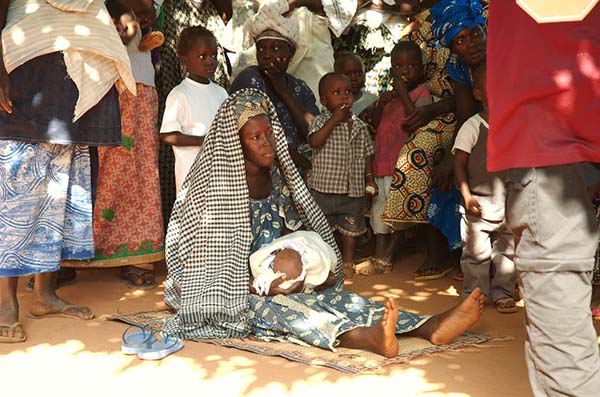
The following once –common Mandinka names in many Mandinka communities across the country are rapidly declining in popularity.
1. Makutu
2. Sanjally
3. Sutay
4. Nyakas
5. Tombong
6. Tungbulu
7. Manlafy
8. Yafaye
9. Kanku
10. Jongtang
11. Jongfolo
12. Jongsaba
13. Jasong
14. Banka
15. Nyaling
16. Faraba
17. Nyimasata
18. Filijeh
19. Boto
20. Nyanko
21. Keluntang
22. Musukuta
23. Molufa
24. Sunkaru
25. Natoma
Parents are now opting for names in the Holy Quran like Fatima, Aisha, Jamil or Aboubacarr, some of which are growing in popularity.
In an interview with a Gambian PhD candidate in Qatar, Alieu SK Manjang, he said: “The declining popularity of our traditional names can be ascribed to the cultural “Arabization” of The Gambia. Nowadays, many parents prefer giving their children “Islamic names”.
He continued: “What many of them failed to understand is that there is nothing like Islamic names in Islam. The prophet Muhammad PBH only instructed Muslims to give GOOD names to their new-borns.”
According to Alieu, most of the names that are considered “Islamic” by Gambians are “pure Arabic names and where created before the arrival of Islam.”
“Prophet Muhammad PBH was named Muhammed before he would receive the revelation, and the second Caliphate Omar didn’t change his name when he converted to Islam. Some of these names have equivalents in our local culture. For example, the rough translation of Abidu or Hamidu can be Allamuta and Allabatu respectively.”
The Qatar-based Gambian, who also works in the Gambian Foreign Service, said: “It is incumbent upon our Islamic scholars to separate what is Arabic and what is Islamic. It is also incumbent upon them to explain to their followers that our traditional names are valid as far as their meanings are not in collision with Islamic creeds and that naming your child after a famous Arab or Muslim scholar will not enable him or her to be like that person if she or he lacks proper upbringing.
“It is time to revitalize our traditional names to protect our identities and preserve our cultural authenticity.”