
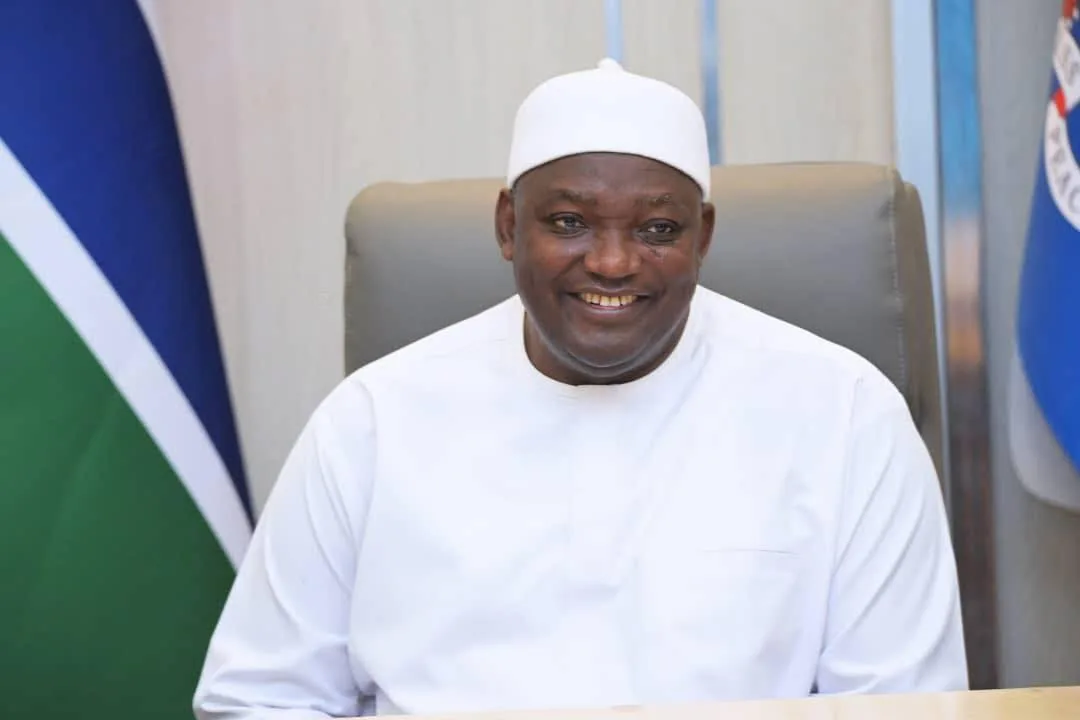
The Gambia has been ranked as Africa’s 10th most prosperous nation in the Atlantic Council’s 2026 Prosperity Index.
According to the ranking, The Gambia placed 74th globally with a score of 67.2, making it one of the top-performing African countries in the index. Business Insider Africa, citing the Atlantic Council’s 2026 Prosperity Index, listed The Gambia in 10th place in Africa, behind countries including Seychelles, Cape Verde, Mauritius, Ghana, South Africa, Botswana, Namibia, Senegal and Lesotho.
The Atlantic Council’s 2026 Atlas says its Freedom and Prosperity Indexes are based on a 30-year dataset covering political, economic and legal developments. The organisation says fair institutions and individual liberties remain important foundations for lasting prosperity.
The Gambia’s ranking was linked to reported progress in areas such as governance, social inclusion and democratic reforms. The country’s economy continues to rely heavily on sectors including tourism, agriculture and remittances, which remain important drivers of livelihoods and national development.
While the ranking is a positive recognition for the country, it also comes at a time when many Gambians continue to raise concerns about the cost of living, unemployment, electricity supply, healthcare, wages and opportunities for young people.
For many citizens, the question is not only whether The Gambia is improving on international rankings, but whether that progress is being felt in ordinary homes, markets, schools, hospitals and workplaces.
A top 10 ranking in Africa is therefore encouraging, but it should also serve as motivation for the government and national institutions to do more. Prosperity must go beyond statistics. It must translate into better services, stronger accountability, job creation, reliable infrastructure and improved living conditions for the population.
The recognition shows that The Gambia has made progress in some key areas, especially in democratic governance and social inclusion. However, the real test will be whether that progress can be sustained and turned into meaningful economic improvement for ordinary Gambians.
What is your take? Are Gambians feeling this prosperity in their daily lives, or is there still a long way to go?